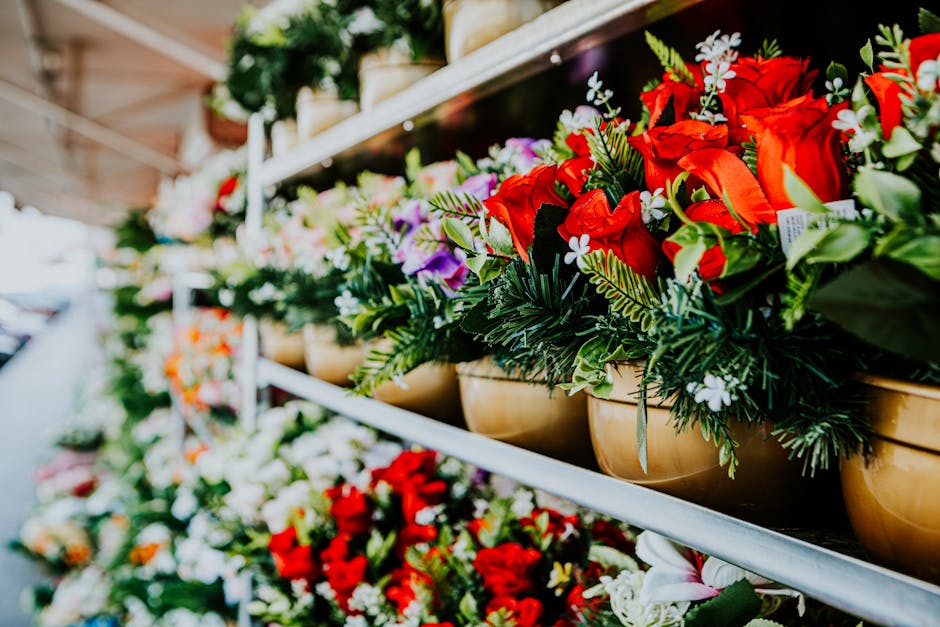
Floral waste disposal rules in Hounslow explained
Posted on 04/10/2026
If you run a florist, manage events, handle funeral tributes, or simply end up with piles of wilted stems after a busy week, the question is the same: what should happen to floral waste in Hounslow? The answer is not always as simple as "bin it." Floral waste disposal rules in Hounslow explained properly can save you time, reduce mess, and help you avoid accidental non-compliance with local waste arrangements. It also makes day-to-day operations calmer. Less guesswork. Fewer overflowing bags. Better housekeeping all round.
Truth be told, most people only think about waste once it starts smelling a bit sharp or takes over the back room. But once you separate fresh flowers, foliage, florist wrap, cardboard, and any mixed rubbish correctly, disposal gets much easier. In this guide, we break down the practical side of handling floral waste in Hounslow, what usually belongs in green waste or general waste, which mistakes to avoid, and how to build a routine that works in the real world.
Whether you are a local florist, a wedding planner, a care home manager, or a family clearing flowers after a service, this article gives you the plain-English version you actually need.
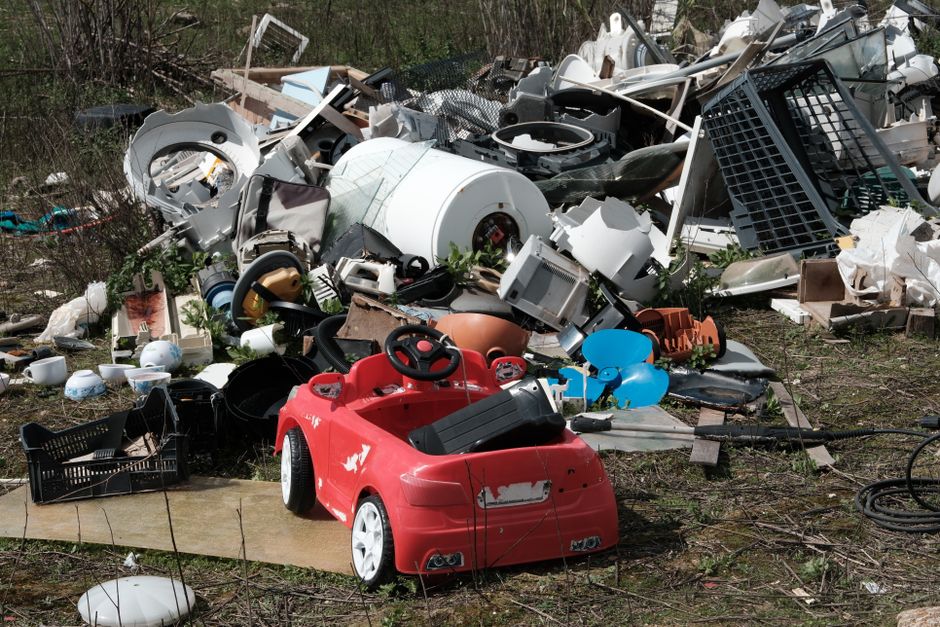
Table of Contents
- Why floral waste disposal matters
- How floral waste disposal works
- Key benefits and practical advantages
- Who this is for and when it makes sense
- Step-by-step guidance
- Expert tips for better results
- Common mistakes to avoid
- Tools, resources and recommendations
- Law, compliance, standards, or best practice
- Options, methods, or comparison table
- Case study or real-world example
- Practical checklist
- Conclusion
- Frequently asked questions
Why floral waste disposal rules in Hounslow explained matters
Floral waste is easy to underestimate. A few discarded bouquets in the corner of a shop do not look like much, until they do. Add ribbon, cellophane, flower food sachets, cardboard sleeves, broken buckets, wet stems, and compostable offcuts, and you suddenly have a waste stream that needs a bit of structure.
That matters in Hounslow for a few practical reasons. First, different waste types are handled differently, and mixing them up creates avoidable problems. Second, flower waste can become messy quickly, especially in warmer weather or during busy periods like weddings, Valentine's Day, Mother's Day, or funeral tribute work. Third, if you are a business, poor waste handling can affect cleanliness, staff safety, storage space, and the impression you make on customers.
Let's face it, nobody wants to walk into a florist and smell last week's roses. The shop might be beautiful, but if the back area is chaotic, the whole operation feels less professional. The same goes for event venues. A tidy waste routine is one of those behind-the-scenes details that quietly protects your reputation.
There is also a sustainability angle. Many flowers, leaves, and stems are organic material, so in the right circumstances they can be handled more responsibly than mixed rubbish. That does not mean everything can go into one container and be "recycled" by magic. It means the more carefully you separate materials, the better the disposal outcome usually is.
Practical takeaway: floral waste is not just "old flowers." It often includes a mix of organic and non-organic materials, and that mix determines how it should be handled.
How floral waste disposal rules in Hounslow explained works
In practice, floral waste disposal usually starts with sorting. Fresh flowers, foliage, grass, and plant trimmings are one category. Packaging is another. General rubbish is another again. That simple split is where most good waste systems begin.
Here is the easiest way to think about it:
- Organic floral waste: stems, petals, leaves, dead blooms, plant offcuts, and similar green material.
- Mixed packaging: plastic wrap, cellophane, ties, foam, tape, ribbons, tags, and sleeves.
- Cardboard and paper: boxes, cartons, inserts, and paper-based wrapping if clean and suitable.
- General waste: contaminated materials, mixed debris, broken items, and anything not accepted in green or recycling streams.
The exact route depends on what the waste contains and what collection arrangements are available. A bouquet wrapped in paper and tied with string is simpler to separate than a display arrangement packed with foam, wire, tape, and plastic film. That is just the reality of it.
For many businesses, the best system is a dedicated floral waste caddy or bin for organic material, with separate containers for recyclable packaging and general rubbish. This reduces contamination and makes collections easier to manage. It also helps staff get into a habit, which is half the battle.
One detail people often miss is moisture. Flowers are heavy because they hold water, and wet organic waste can make bins smell faster than expected. So bag choice, bin liners, and emptying frequency matter more than most people realise. A tidy-looking bin on Monday can be a problem by Thursday afternoon. You know how it goes.
If you are dealing with regular volumes, it is worth building the system around your busiest days, not your quietest ones. A Saturday wedding rush or a Monday funeral tribute delivery round can create very different waste patterns.
Key benefits and practical advantages
Good floral waste handling is not just about avoiding trouble. It has everyday benefits you can actually feel in the business. Things run smoother. Staff waste less time guessing. The work area stays usable. Simple, but important.
- Cleaner premises: fewer leaks, fewer smells, and less mess in storage areas.
- Better efficiency: staff know exactly where each waste type goes.
- Improved compliance confidence: less risk of cross-contamination and avoidable disposal issues.
- More professional presentation: especially important if customers can see the prep area.
- Stronger sustainability habits: better separation supports more responsible disposal choices.
- Lower stress at busy times: no one wants to be sorting soggy stems while the phone rings.
There is another benefit too, and it is less obvious: better waste routines make stock control clearer. If you notice repeated waste from a certain stem type, supplier batch, or arrangement style, you can review what is being ordered and prepared. That can reduce unnecessary waste over time. Not glamorous, perhaps, but very useful.
For event work, floral waste control also makes break-down faster. After a wedding or memorial service, when the room is empty and the lights feel a bit softer, a clear disposal routine helps the team clear quietly and efficiently instead of leaving a trail of half-finished bags and loose petals behind.
Who this is for and when it makes sense
This topic is relevant to far more people than just florists. If you handle flowers in any regular way, the same basic rules of separation and sensible disposal apply.
- Independent florists: daily bouquet waste, packaging, display refreshes, and delivery prep.
- Wedding florists: high-volume seasonal waste, mixed materials, and venue clear-downs.
- Funeral flower specialists: tribute handling, wreath offcuts, and respectful waste management.
- Event organisers: table arrangements, installation waste, and post-event clearance.
- Hospitality venues: floral displays that need regular refreshing.
- Households: large gift bouquets, old arrangements, and garden flower cuttings.
- Care settings and offices: regular fresh flowers plus packaging and vase maintenance waste.
It makes sense any time floral waste is more than occasional. One wilted supermarket bouquet is simple enough. But if you are dealing with repeated deliveries, tribute work, or weekly event installations, you need a routine, not guesswork.
In our experience, the biggest shift happens when people stop treating floral waste as an afterthought. Once it has its own place, its own container, and its own emptying rhythm, everything feels more manageable. Funny how such a small change can have such a big effect.
Step-by-step guidance
If you want a straightforward way to manage floral waste in Hounslow, use this practical sequence. It is simple enough to train staff on, but robust enough for daily use.
- Separate the waste at source. Keep organic flower waste apart from packaging and general rubbish from the moment it is removed.
- Remove obvious contaminants. Take out plastic picks, wires, foam, tape, and non-compostable extras where possible.
- Use the right containers. Have a dedicated bin or sack for green waste and separate containers for recycling and general waste.
- Reduce moisture build-up. Drain excess water from stems and vases before disposal, where safe to do so.
- Bag waste neatly. Do not overfill sacks. Heavy, wet bags are awkward, and often split at the worst moment.
- Store bins in a practical location. Keep them accessible but away from customer-facing areas and food prep zones.
- Empty on a schedule. Build waste removal into the week, especially after busy trading days.
- Review and improve. If a certain item keeps contaminating the wrong bin, adjust the process or retrain staff.
Here is a real-world example. A small florist on a busy high street might process bouquet waste in the morning, packaging at midday, and larger offcuts after closing. That staggered approach keeps the workspace clearer and avoids the classic "everything in one bag" habit that causes problems later.
If you are handling funeral flowers or tribute work, discretion matters too. Waste should be managed carefully and respectfully, not shoved into an overflowing sack and left by the back door. That small bit of attention makes a difference. It really does.
Expert tips for better results
Small improvements in floral waste management tend to come from consistency, not dramatic changes. A few habits make a noticeable difference.
- Label bins clearly. Use plain language such as "green waste," "cardboard," and "general waste."
- Train new staff early. Do not assume they will guess the system correctly.
- Keep wet and dry waste separate. Dry packaging is easier to recycle if it is not mixed with soggy stems.
- Use smaller internal bins. It sounds odd, but smaller bins can encourage more frequent emptying and less odour.
- Watch for hidden contaminants. Florist foam, plastic ties, and ribbon ends are the usual culprits.
- Plan for peak periods. Build extra capacity around key seasonal dates and weekends.
- Choose easy-to-clean areas. Waste stations near sinks or washable floors save time later.
One slightly unglamorous but very effective tip: place a spare liner directly beside the bin rather than somewhere "logical" that nobody remembers. People are creatures of habit. If the liner is close, it gets used. If not, well... you know.
For businesses that produce floral waste alongside customer deliveries or retail operations, the flow of work matters. It is easier to maintain hygiene when waste exit points are part of the day's rhythm, not a separate task no one owns. A little structure goes a long way.
Common mistakes to avoid
Most floral waste problems come from a handful of repeat mistakes. The good news is they are easy to fix once you spot them.
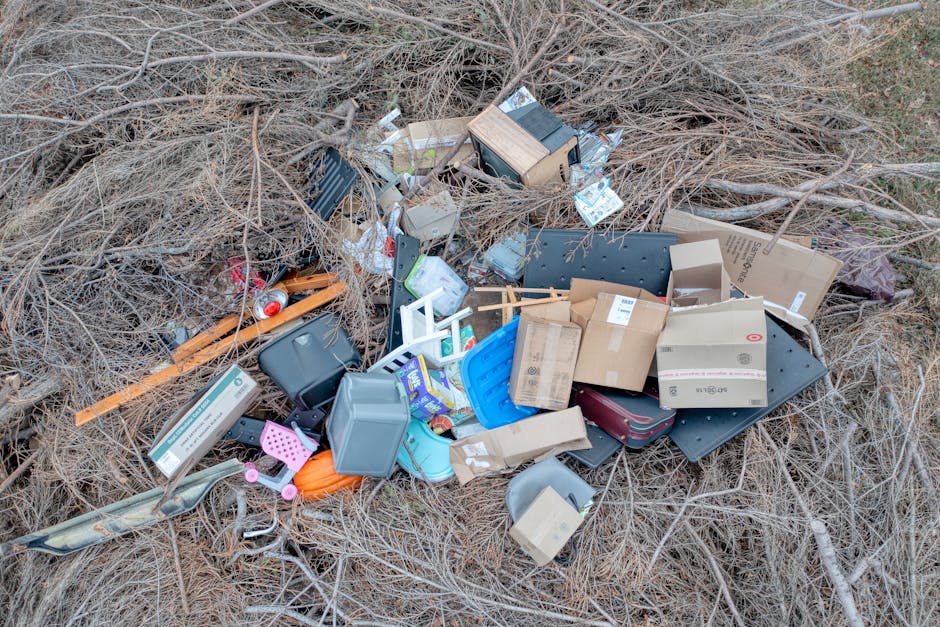
- Putting everything in one bin. Mixed waste is harder to manage and may reduce recycling options.
- Leaving flowers to rot too long. This creates odour, leaks, and an unpleasant working environment.
- Forgetting packaging contamination. Wet cardboard and food-like residue can ruin a potentially recyclable load.
- Overfilling bags. Heavy sacks are harder to move and more likely to split.
- Ignoring small bits of wire, foam, and tape. They add up quickly and create sorting headaches later.
- Not training staff or volunteers. A system only works if everyone uses it the same way.
- Assuming all green material is automatically accepted everywhere. Local arrangements can differ, so always check the actual service in use.
Another common mistake is treating waste as a purely back-of-house issue. In busy public-facing businesses, the state of waste storage can affect customer confidence. You might not think they notice. They do. Usually without saying anything, which is somehow worse.
If you are a home user with a large amount of floral waste after an event, the mistake is often storing it in a warm space for too long before disposal. Even a good bouquet turns quickly once the stems start breaking down. Better to sort it promptly and move it out of the way.
Tools, resources and recommendations
You do not need fancy equipment to manage floral waste well, but a few basic tools make the process much easier.
- Clearly labelled bins or caddies: the foundation of any sensible system.
- Heavy-duty liners: useful for damp flower waste and larger volumes.
- Sealable sacks or containers: helpful for moving waste cleanly through the premises.
- Simple internal signage: especially good for shared workspaces and temporary teams.
- Cleaning kit nearby: cloths, mop, disinfectant, and gloves for quick spill response.
- Staff checklist: a written routine prevents "I thought someone else did it" moments.
If your floral waste output is regular, consider building a disposal routine around your delivery schedule. That way, packaging and cuttings are cleared before they pile up. The same logic applies to event work. Clear it early, and the room stays calm.
For businesses looking to align waste handling with broader operational standards, pages such as sustainability can help frame waste reduction as part of your wider environmental approach. If you also want to understand how delivery timing, handling, and storage affect freshness and waste levels, the delivery information is a useful place to look. And if you are deciding what flowers to order in the first place, the flower care guidance can help reduce avoidable spoilage.
Law, compliance, standards, or best practice
This is the part where people often want a neat legal rule, and honestly, waste compliance is a bit more layered than that. There is no single "floral waste law" that covers every situation in one line. In practice, the right approach depends on the type of waste, how it is stored, how it is collected, and whether you are dealing with household waste or business waste.
For businesses, the safest mindset is simple: separate waste properly, store it safely, and use the appropriate collection route for each stream. Organic floral waste may be suitable for green waste handling where such a service is available. Packaging often needs its own route. Contaminated mixed waste usually ends up in general waste. That is the practical baseline.
Best practice usually means:
- Keeping waste segregated. Do not mix organic material with recyclables if you can avoid it.
- Using appropriate containers. Containers should suit the material and the volume generated.
- Preventing nuisance. Odour, leakage, and pests should be controlled.
- Training staff. Everyone handling waste should understand the system.
- Reviewing local collection arrangements. What works in one setting may not be accepted in another.
If you operate a commercial premises in Hounslow, it is worth checking your current waste contract and disposal arrangements carefully. Not because the process has to be complicated, but because different materials can be treated differently. A little clarity now avoids a lot of hassle later. And yes, that includes the annoying little bits of florist foam that seem to hide in everything.
Options, methods, or comparison table
Choosing the right disposal method depends on what kind of floral waste you generate. The table below gives a practical comparison of the main approaches.
| Waste type | Typical examples | Best handling method | Notes |
|---|---|---|---|
| Organic floral waste | Stems, petals, leaves, dead blooms | Separate green waste stream where available | Keep free from plastic and foam contamination |
| Cardboard and paper | Boxes, sleeves, clean wrap paper | Recycling stream if clean and accepted | Wet or soiled paper may no longer be suitable |
| Plastic packaging | Film, wraps, tape, tags | Separate recycling or general waste depending on material and contamination | Not all flexible plastic is accepted everywhere |
| Mixed contaminated waste | Flower foam, wire, wet packaging, general debris | General waste | Usually the least efficient option, so reduce contamination where possible |
| Large volumes after events | Wedding installations, tribute work, venue displays | Planned collection and staged removal | Needs more space, more bins, and faster turnaround |
For most people, the best method is the simplest one that you can actually maintain. A perfect system nobody follows is worse than a practical one that everyone understands. That part matters more than people think.
Case study or real-world example
Here is a realistic example from a small Hounslow florist operating near a busy commuter route. The shop handled everyday bouquet orders, same-day requests, and a steady flow of sympathy arrangements. Waste used to be managed in one rear bin, which meant stems, wrap, tape, and cardboard all ended up together by the end of the day.
On busy Mondays, the bin was already half full before lunchtime. By midweek it had begun to smell damp, especially if there had been a lot of vase prep. Staff were spending time re-sorting waste at closing, and the back area felt cramped.
They changed the system by introducing three clearly marked stations: green waste for flowers and foliage, recycling for clean cardboard and paper, and general waste for mixed or contaminated material. They also added a short end-of-day routine and asked staff to drain excess water from stems before binning them.
The result was not dramatic in a flashy way. No miracle. But the shop became easier to manage. Waste collection was simpler, the back room looked better, and staff stopped losing time on avoidable re-sorting. That sort of improvement may sound modest, but in real life it changes the pace of the day. Quietly, but properly.
That is usually how good waste systems work. They do not shout. They just make everything easier.
Practical checklist
Use this checklist to make sure your floral waste process is sensible and consistent.
- Have you separated organic floral waste from packaging?
- Do staff know which bin each material belongs in?
- Are wet stems and vases drained before disposal where appropriate?
- Are bins labelled clearly and placed where people actually use them?
- Is waste emptied often enough to prevent odour and overflow?
- Are cardboard and paper kept clean and dry?
- Are plastic ties, foam, and ribbon removed where possible?
- Do you have enough container capacity for your busiest days?
- Have you checked how your collection route handles mixed or contaminated waste?
- Is the waste area kept clean, safe, and away from customer-facing spaces?
If you can tick most of those off, you are already ahead of many operations. If not, do not worry. Start with the biggest problem first. Usually that is waste separation or collection frequency. The rest gets easier once those two are sorted.
Get a free quote today and see how much you can save.
Conclusion
Floral waste disposal rules in Hounslow explained properly come down to one thing: handle flower waste as a real waste stream, not a vague pile of leftovers. Separate the organic material, keep packaging apart, reduce contamination, and empty bins often enough to stay ahead of smell and mess. Simple on paper, yes. But in a busy florist, event venue, or home after a big occasion, simple systems are the ones that actually hold up.
If you build a routine now, you save yourself headaches later. You also make the space cleaner, the work calmer, and the whole process more professional. And that, to be fair, is usually what people want most. A system that quietly does its job while you get on with yours.
Small habits add up. Clear bins, better sorting, fewer surprises. It really can be that straightforward.
Frequently Asked Questions
What counts as floral waste in Hounslow?
Floral waste usually includes stems, petals, leaves, dead blooms, foliage, and other plant offcuts. It can also include related items like water from vases, although that should be handled carefully. Packaging such as wrap, ribbon, tape, and foam is not floral waste in the same sense and usually needs a different disposal route.
Can flower stems and leaves go in green waste?
Often they can, if the collection service you use accepts organic garden-style material. The key is keeping them free from plastic, wire, tape, and other contaminants. If the waste is heavily mixed, it may need to go in general waste instead.
Do florists in Hounslow need a separate bin for flower waste?
In practice, yes, that is usually the best approach. A separate bin makes sorting easier, reduces contamination, and helps keep the work area cleaner. It is one of those small systems that pays back quickly.
What should I do with florist foam and plastic wrap?
Florist foam and plastic wrap should not be mixed with organic waste. Depending on the material and how contaminated it is, they may need to go into general waste or a suitable recycling stream if accepted locally. Foam especially is a common contamination issue, so keep an eye on it.
How often should floral waste be removed?
That depends on your volume, but frequent removal is usually better than letting waste sit too long. Busy shops may need daily or even same-day emptying in peak periods. The goal is to avoid odour, leaks, and overflow.
Is floral waste disposal different for weddings and funerals?
The basic principles are the same, but volume and sensitivity are different. Weddings often create larger mixed waste loads, while funeral work may require more discreet and respectful handling. In both cases, planning ahead makes a big difference.
Can I compost floral waste at my business?
Potentially, but only if the waste is suitable and your setup can manage it properly. Composting is usually best for clean organic material, not mixed floral waste with tape, wire, or plastic. If in doubt, separate carefully and use the approved disposal route available to you.
What is the biggest mistake people make with flower waste?
The most common mistake is putting everything into one bag. It seems quicker in the moment, but it creates more work later and can limit recycling or green waste options. A few seconds of sorting usually saves a lot of hassle.
Are there special rules for business waste compared with household flower waste?
Yes, businesses generally need a more structured approach because they produce waste regularly and are expected to manage it responsibly. Households can often deal with occasional floral waste more simply, but even then separating organic matter from packaging is a good habit.
How can I reduce floral waste in the first place?
Order more accurately, store flowers properly, rotate stock, and choose arrangements that suit customer demand. Good flower care and smart delivery timing also reduce spoilage. Less waste going in means less waste to deal with later, which is always the easier road.
What should I check before choosing a waste disposal method?
Check what type of waste you have, how much of it there is, whether it is contaminated, and what your collection arrangement actually accepts. That basic check prevents most disposal mistakes and helps you choose the most practical route.
What if I only have a small amount of floral waste at home?
If it is just a small bouquet or a few stems, separate the flowers from packaging and dispose of each part sensibly. The same principles still apply, just on a smaller scale. It is a simple little routine, but it keeps things tidy.